REPAIR AND LONGEVITY
CARRIED FORWARD
Longevity is supported through thoughtful design, considered care and timely repair. Many signs of wear can be addressed before they become permanent, allowing a garment to continue its life without losing its character.
NOTICE CHANGE EARLY
Inspect garments regularly, particularly around buttons, seams, hems, pocket openings, fastenings, lining and embroidery.
A small change is usually easier to repair than extensive damage. If wearing the garment could worsen the problem, set it aside until it has been assessed.
SIMPLE MAINTENANCE
BUTTONS
Reinforce a loose button before it falls. If a button is lost, check whether a spare was supplied with the garment.
A tailor can replace a missing button or reinforce the surrounding fabric if it has become weakened.
SEAMS AND HEMS
An opening seam or dropped hem should be repaired promptly. Continuing to wear the garment may place additional strain on the surrounding fabric.
A professional can usually restore the original seam or hem while preserving the shape and finish of the garment.
LININGS
Linings experience regular friction and may show wear before the outer fabric. Small openings can often be repaired, while more extensive damage may require part or all of the lining to be replaced.
Repairing the lining can extend the useful life of the entire garment without altering its external appearance.
FASTENINGS
Zips, hooks, bars and other fastenings should move securely without being forced. If a fastening catches or becomes loose, stop using it until the cause has been identified.
A specialist can often replace the fastening without changing the design of the garment.
TAILORING AND ALTERATIONS
Bodies and preferences change over time. A professional alteration can allow a well loved garment to continue fitting its wearer.
Choose a tailor experienced with structured garments and ask them to consider the original balance, lining, seam allowances and placement of design details before making changes.
Major alterations may not always be possible, particularly where embroidery or internal construction limits the available fabric.
EMBROIDERY AND DECORATIVE DETAIL
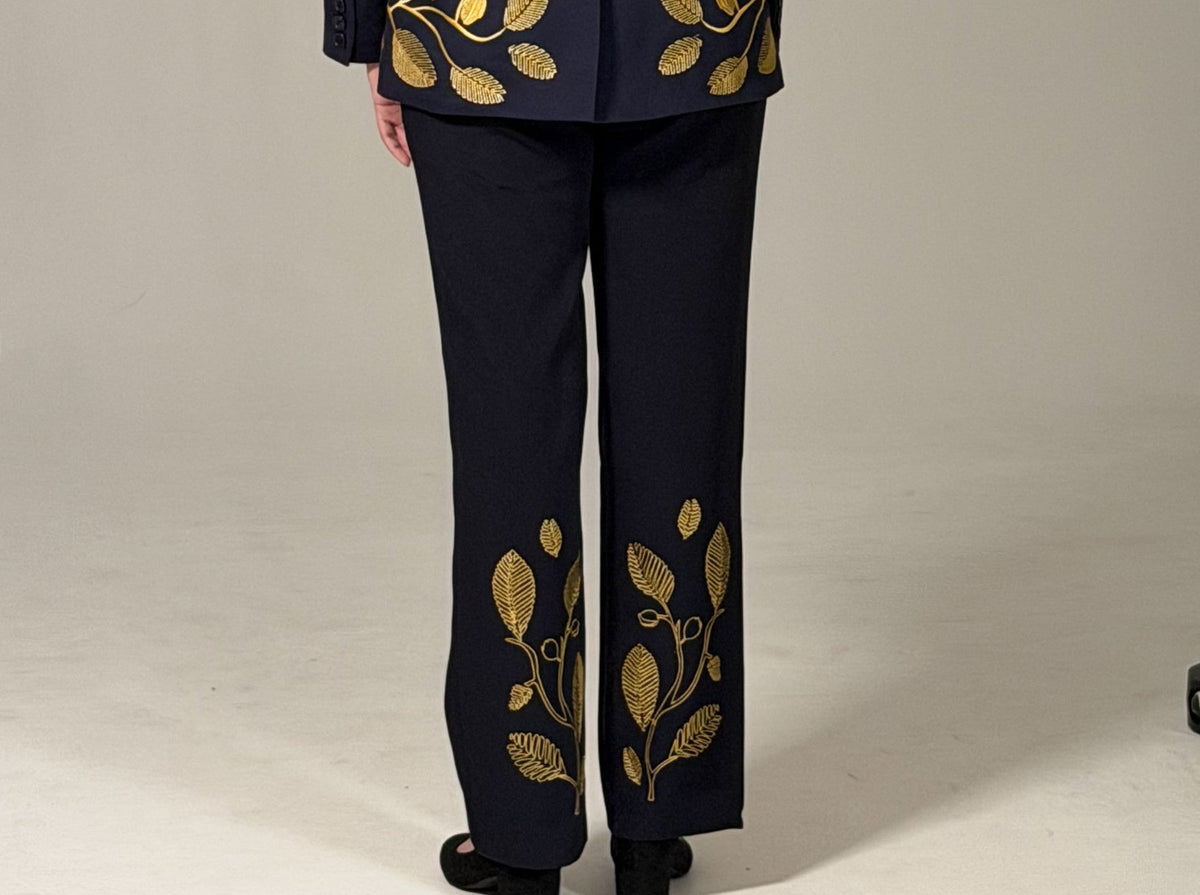
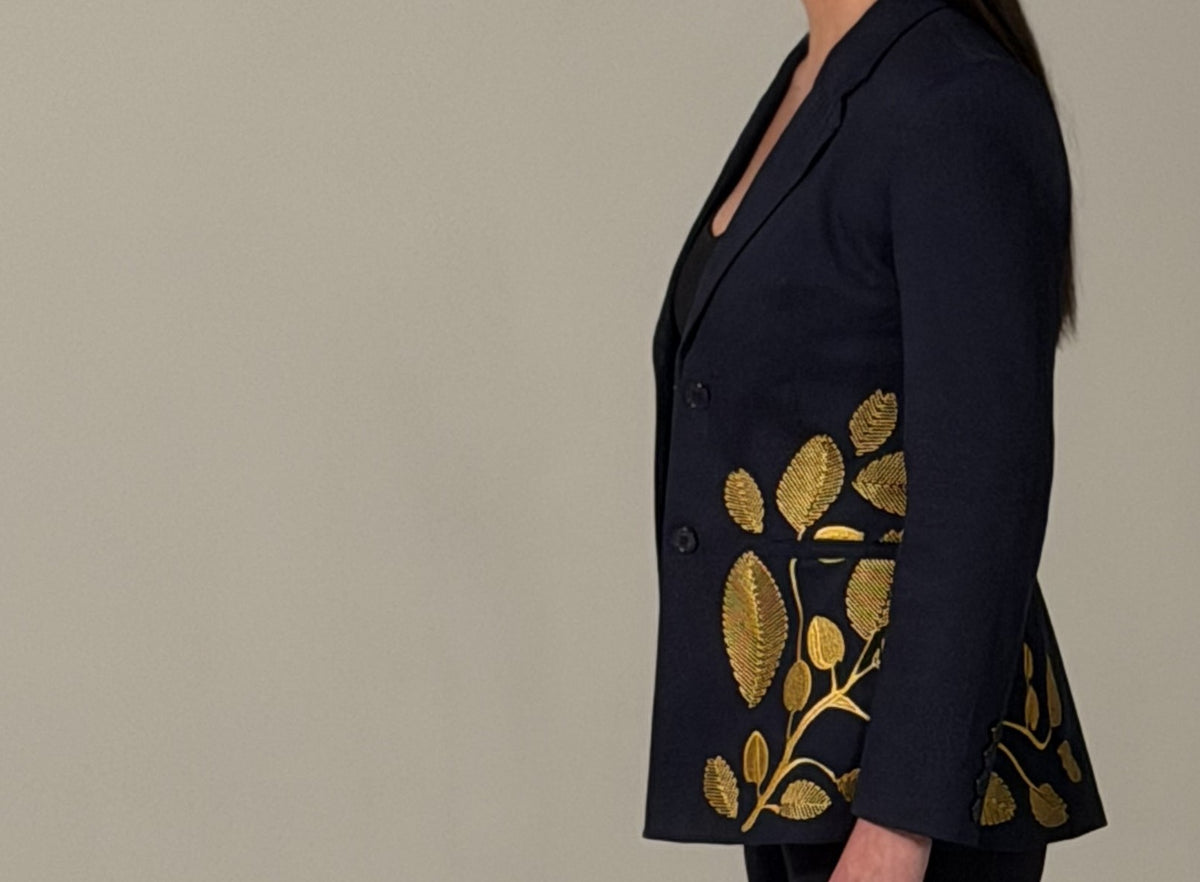
If an embroidery thread becomes raised or catches on another surface, do not pull or cut it. Protect the area from further friction and seek advice from someone experienced in embroidery repair.
A careful repair may secure the thread from the reverse of the fabric while preserving the visible design.
CHOOSING A REPAIR PROFESSIONAL
Choose a tailor, cleaner or repair specialist with experience relevant to the garment. Structured tailoring, delicate linings and embroidery may require different skills.
Bring the care label and any available product information with you. Explain how the damage occurred and ask how the proposed repair may affect the fabric, fit and appearance before proceeding.
KEEPING SPARE COMPONENTS
Store spare buttons, thread and trims in a labelled envelope or small container. Include the garment name or product reference so that the components can be identified later.
Original components can make future repairs more consistent with the garment’s design.
PASSING A GARMENT ON
A garment that no longer suits one wardrobe may still have value in another. Clean and repair the piece before resale, gifting or donation, and pass on any relevant care and product information where possible.
END OF USE
When a garment can no longer be worn or repaired, consider whether its fabric, buttons or trims can be reused.
Textile collection and recycling options vary by location and material composition. Follow local guidance and avoid placing textiles in general waste where a suitable collection option is available.
SADAA PRODUCT INFORMATION
Information relating to the materials, care and construction of an individual SADAA garment can be found on its care label, product page and within its digital product information.
If you are uncertain about an appropriate repair, contact SADAA before making an irreversible alteration.